
Introduction
Executive Summary: Kit (formerly ConvertKit) and Beehiiv are two creator-focused email and newsletter platforms. Kit is renowned for its powerful automations, commerce tools, and monetization features (products, paid newsletters, sponsor networks). Beehiiv, founded by ex-Morning Brew staff, shines with a modern, user-friendly newsletter editor, intuitive audience-growth tools, and flat-fee monetization (ad network, paid subs, referral programs). Both offer generous free plans (Kit’s free Newsletter Plan covers up to 10,000 subs; Beehiiv’s Launch plan covers up to 2,500 subs) and tiered paid plans.
Kit vs Beehiiv is one of the most common comparisons among creators, bloggers, and newsletter publishers looking for the best email marketing platform. Both tools offer powerful features for building an audience, sending newsletters, and growing a business online, but they take very different approaches. Kit focuses heavily on email marketing automation, subscriber segmentation, and creator-focused tools, while Beehiiv is designed around newsletter growth, monetization, and publishing.
Choosing between Kit and Beehiiv can significantly impact your newsletter growth, audience engagement, and monetization strategy. While both platforms offer powerful creator tools, they serve different types of users and business models.
In this detailed Kit vs Beehiiv comparison, we’ll examine their ease of use, email editor, audience management tools, automation capabilities, analytics, monetization features, integrations, pricing, customer support, and more. By the end of this guide, you’ll have a clear understanding of which platform is the better fit for your newsletter or online business.
Table of Contents
1. Quick Overview: Kit vs Beehiiv
Kit (ConvertKit) and Beehiiv both target creators and newsletter publishers, but with different strengths. Kit is a comprehensive creator platform combining email marketing, visual automations, and commerce tools. It emphasizes funnels and selling: “Build multiple sales funnels to promote and sell digital products on autopilot”. Beehiiv focuses on newsletter-first growth and monetization. Built by ex-Morning Brew employees, Beehiiv gives creators “the same growth and monetization tools that powered Morning Brew’s success”.
- Target Users: Kit is ideal for creators who sell courses, ebooks, or services via email funnels, while also publishing newsletters. Beehiiv is tailored to newsletter publishers who want a modern editor plus built-in ad networks, paid subscriptions, and referrals.
- Key Differentiator: Kit’s strength is automation and commerce under one roof (email sequences, product pages, paid newsletters, etc.), while Beehiiv’s strength is newsletter design and monetization ease (drag-and-drop editor, AI writing, 0% fee on paid subs, boost/tip features).
Both tools aim to help creators grow email lists and revenue, but one (Kit) comes from a founder (Nathan Barry) who built it for himself, whereas Beehiiv was built for large-scale newsletter companies. We will explore how these philosophies play out across features.
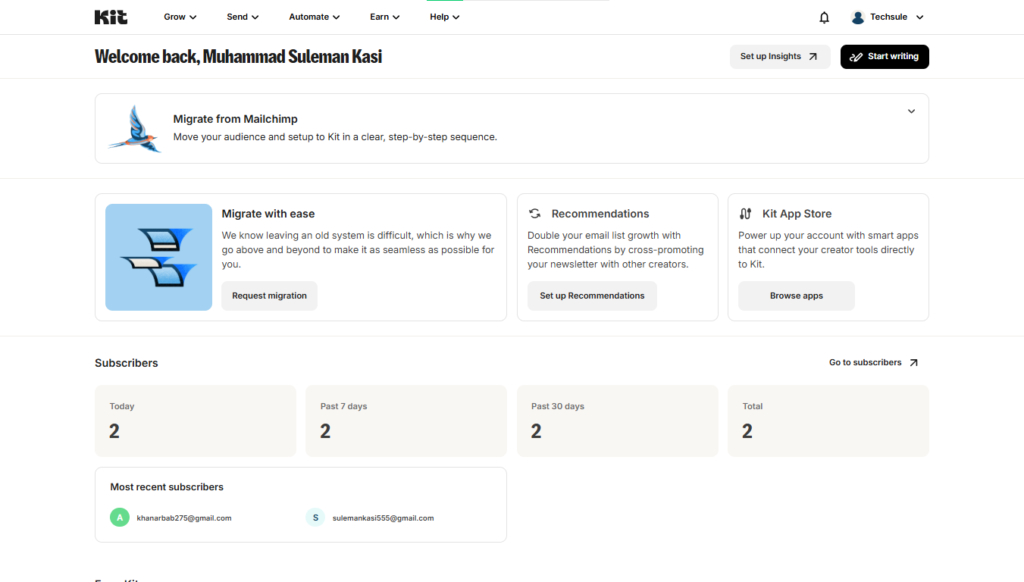
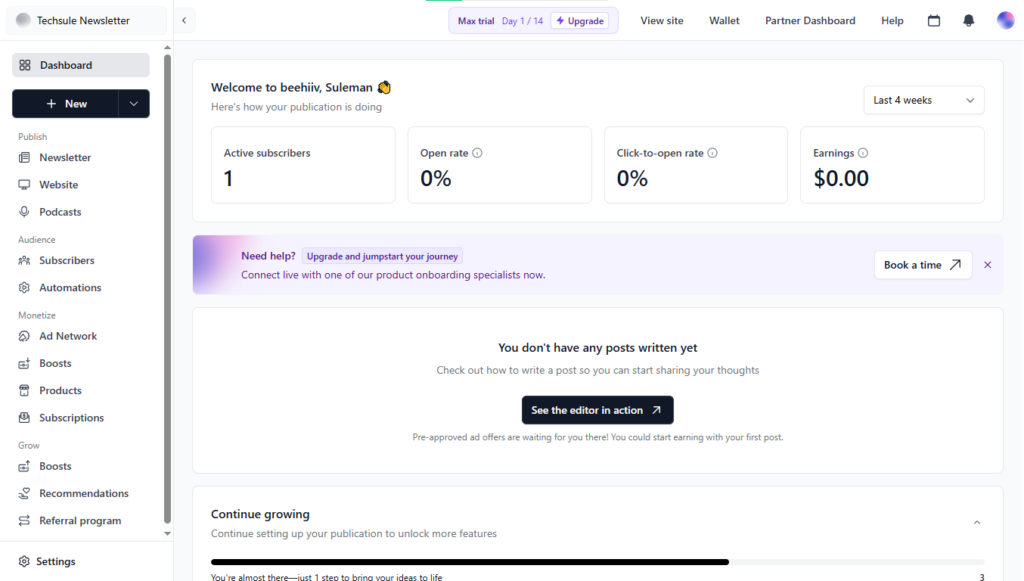
Kit vs Beehiiv Dashboard Comparison
2. Ease of Use & UI
Ease of use is one of the first factors most creators evaluate when choosing an email marketing platform.
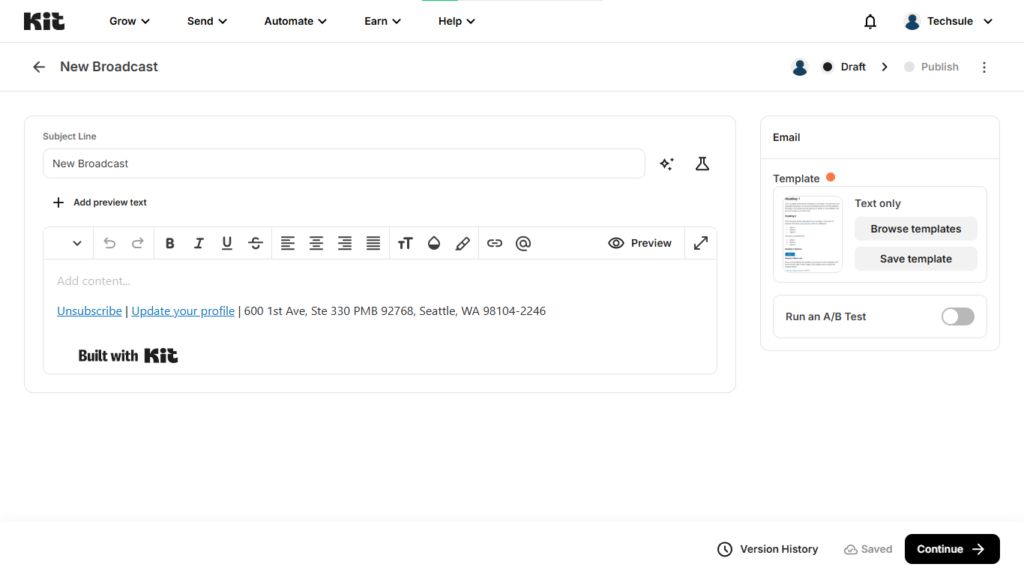
- Kit: Kit’s interface is straightforward and uncluttered. It uses a block-based email editor rather than full drag-and-drop. This means composing an email involves adding blocks (text, image, button) by clicking a plus icon. Kit focuses on simplicity. A recent review notes: “Kit’s email editor is straightforward and easy to use, focusing on plain-text emails that feel personal”. The trade-off is fewer visual bells-and-whistles; Kit emphasizes content over design. For creators who prefer minimal design or mainly text emails, Kit’s UI is fast and clean. The dashboard groups features (Grow, Send, Automate, Earn) into clear sections. Kit has dozens of newsletter templates and snippets (saved content blocks) to reuse common sections. Kit’s menus and flows are intuitive once learned, but new users might find some areas (e.g. automation builder) a bit technical at first. Overall, Kit’s UI is minimalist and functional, with responsive support (7 days/week) and a rich help center.
- Beehiiv: Beehiiv was built with a clean, modern interface. Its drag-and-drop editor for newsletters is one of the most user-friendly on the market. You start with a blank canvas and slash-commands (or side panel) to insert sections: text, images, videos, polls, etc., and then simply drag them to arrange. Beehiiv also offers pre-made templates (though these are more about brand control; initial editing starts blank). The UI includes lots of in-line help (e.g. “beehiiv AI assistant” for writing). Many reviewers praise Beehiiv’s ease: “beehiiv wins for having the most intuitive newsletter editor with AI tools…”. The dashboard clearly separates Newsletters, Podcasts, Analytics, and Growth tools. Onboarding is quick: you set branding, import lists, and immediately write. Non-technical creators report it’s “a very easy, drag-and-drop, templatized way to create a newsletter.”. Beehiiv also has an interactive “View features tour” that helps new users navigate. In short, Beehiiv’s UI is modern, interactive, and beginner-friendly.
- Comparison: Beehiiv’s interface is generally easier for writing and layout (especially if you like visual editors and AI assistance). Kit’s interface is leaner and focuses on content blocks and automation. In practice, a creator comfortable with text might prefer Kit’s simplicity; one who values a polished newsletter design will likely Prefer Beehiiv. Both are cloud-based and updated frequently, but Beehiiv’s style is more WYSIWYG.
- In terms of usability, the Kit vs Beehiiv comparison is largely a battle between advanced functionality and beginner-friendly design.
3. Email Editor & Newsletter Creation
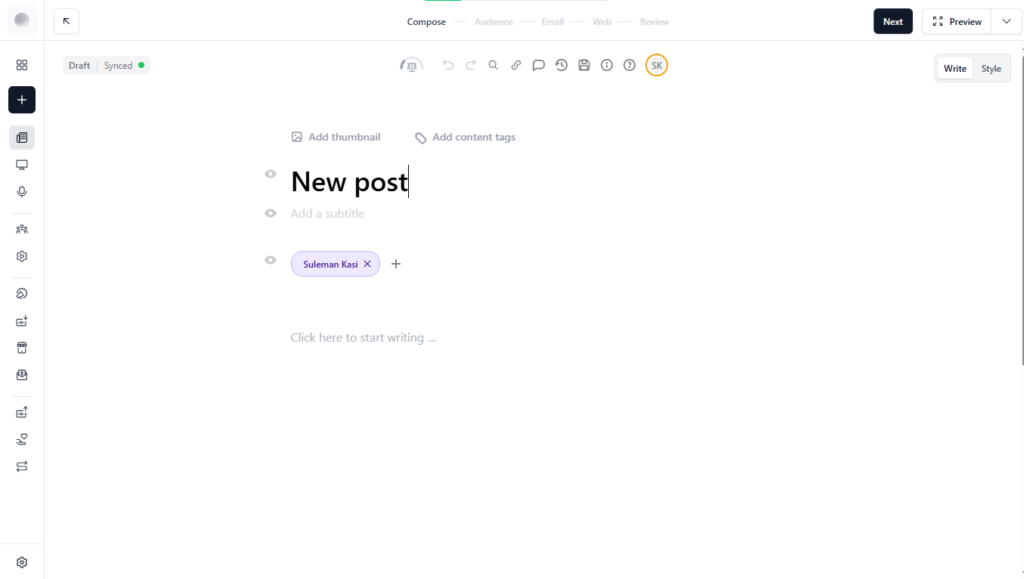
The Kit vs Beehiiv email editor comparison reveals two very different approaches to newsletter creation.
- Kit Email Editor: Kit’s editor is text-first. It offers around 23 text-based templates for simplicity. You write content in blocks (paragraph, heading, image, button, etc.). There is no free-form drag-and-drop, but you can insert custom HTML blocks if needed. Kit claims this approach leads to high open rates: its founder emphasizes plain-text style is “personal”. You can add images (via Kit’s media library), headings, dividers, social links, even embed videos. One unique feature is “snippets”: reusable content pieces saved for future newsletters (e.g. a standard bio or call-to-action). Kit also integrates with design tools like Canva; for instance, it recently added Canva embeds. The editor is reasonably flexible: add image grids, countdown timers, polls, etc. However, Kit’s editor has fewer styling controls than Beehiiv. It focuses on consistent layouts. A review notes: “Kit’s email editor… lacks the bells and whistles of a drag-and-drop editor, [but] is fast and efficient”. If you need pixel-perfect design, Kit may be limiting; it’s great for clean, text-heavy newsletters.
- Beehiiv Newsletter Editor: Beehiiv offers a rich drag-and-drop content editor specifically for newsletters. You can start with blank or a basic layout. Adding content is intuitive: type “/” and choose from options (image, text, video, social embeds, polls, code, etc.). Once added, you can rearrange blocks by dragging. You get fine-grained design control: columns, padding, custom fonts/colors (if on paid plan with custom branding), and borders. Beehiiv includes built-in templates (designs) to jumpstart creation, plus a “brand kit” for consistent colors and fonts. One standout is the AI writing assistant: it can generate subject lines, content ideas, and even create unique images. Real-time preview shows desktop/mobile simultaneously. You can embed images and videos inline. Beehiiv also supports audio newsletters (podcast episodes) and has a “slash commands” to insert dynamic content. The interface includes an autosave and revision history, which helps creators experiment. As one user said, Beehiiv’s editor makes it easy: “Writer’s block is gone with built-in AI; drag-and-drop blocks help me just type and design naturally”.
- Comparison: For newsletter creation, Beehiiv offers more design flexibility and AI help, while Kit keeps things simple and text-focused. If you need advanced layouts, columns, or interactive elements (surveys, inline forms), Beehiiv excels. Kit’s editor is better if you prefer a minimal, blog-like writing experience (and have simpler design needs). Both platforms auto-save drafts and allow duplicating past newsletters. Beehiiv’s learning curve for the editor is very gentle, whereas Kit’s familiarity depends on comfort with structured content blocks.
- For creators who publish newsletters regularly, the Kit vs Beehiiv email editor comparison can be a deciding factor.
4. Audience Management & Subscriber Growth
Subscriber growth is one of the most important aspects of the Kit vs Beehiiv comparison.
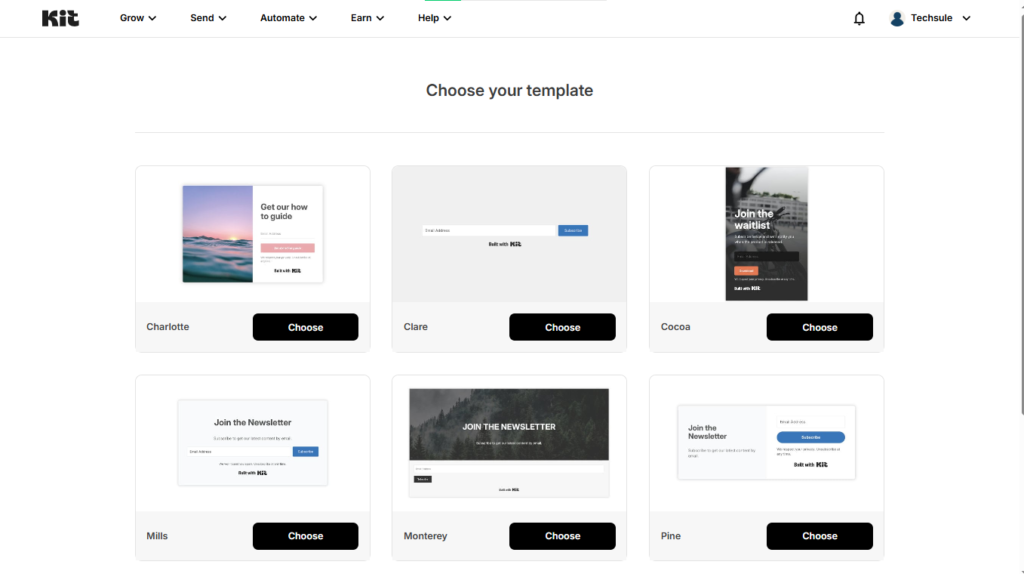
- Kit: Kit includes unlimited forms and landing pages even on the free plan. There are dozens of form styles (modal, slide-in, inline) and 40+ landing page templates. You can host on Kit’s domain or connect your own. These capture emails for your list. Kit’s tagging and segments are very flexible: you tag subscribers based on actions (signups, link clicks, purchases) and group tags into segments. Kit doesn’t use “list-based” segmentation; instead any subscriber can have multiple tags/segments. This allows targeted broadcasts or automations (e.g. “emails openers”, “bought product X”). Kit also has a Creator-to-Creator Recommendation Network: creators can opt-in to promote each other’s newsletters, gaining referrals. Analytics for growth (like sign-up sources, conversion rates) are available in reports. Overall, Kit provides robust basic list management (forms, tags, landing pages) plus the unique recommendation network to cross-promote.
- Beehiiv: Beehiiv similarly offers sign-up forms and landing pages, including a website builder and pop-ups. Beehiiv lets you create Subscribe Forms and Pop-ups to capture subscribers on your site or via link-in-bio tools. You can also create multiple newsletter “publications” (up to 10 on Max plan) which can be thought of separate topics or editions. Subscriber tagging and segmentation is available: Beehiiv allows manual or automated tag assignments (e.g., if someone submits a poll or clicks a link). You can create static segments or dynamic segments (auto-updating based on criteria like location, signup date, activity). Beehiiv’s standout feature for growth is its Referral Program. Any user can share referral links: existing subscribers earn credit or rewards for each new sign-up they bring. Beehiiv has a built-in referral dashboard (on paid plans) to set up rewards. Beehiiv also has Magic Links (one-click subscriptions via shared link) and Boosts (a tipping feature where readers “boost” issues for others). These tools make viral growth easier. Beehiiv also automatically handles list hygiene (click verification, subscription expiration).
- Comparison: Kit and Beehiiv both make it easy to capture emails (forms, pages). Kit’s unlimited landing pages and forms on free plan is very generous. Beehiiv provides more gamified growth tools: their referral program and boosts tend to drive viral growth. Kit’s recommendation network is similar in spirit, but Beehiiv’s is built-in for all users. Segmentation-wise, Kit’s tag system can be more complex (allowing overlapping tags), whereas Beehiiv’s segments are intuitive dynamic groups. Both support A/B testing signup forms (Kit Pro and Beehiiv Scale/Max).
- Subscriber growth is another area where the Kit vs Beehiiv debate becomes especially interesting.
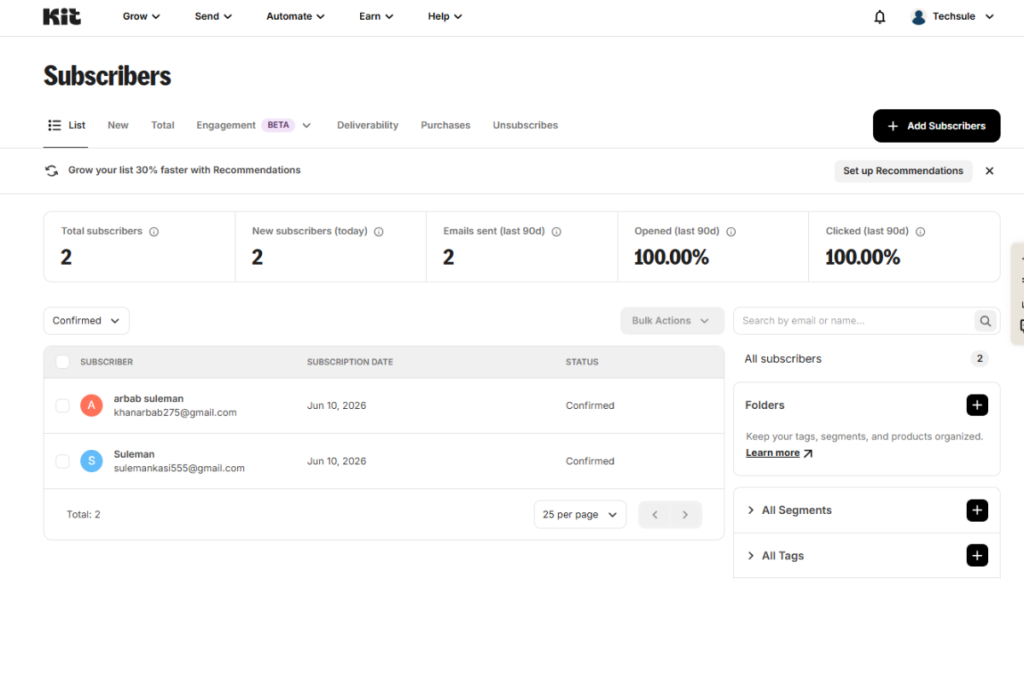
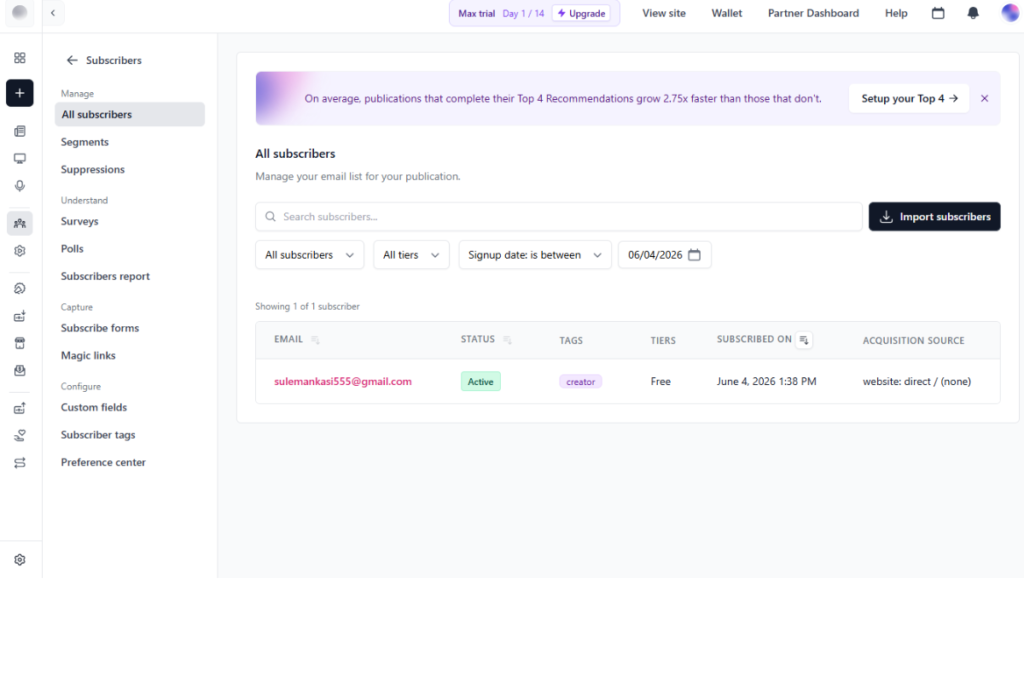
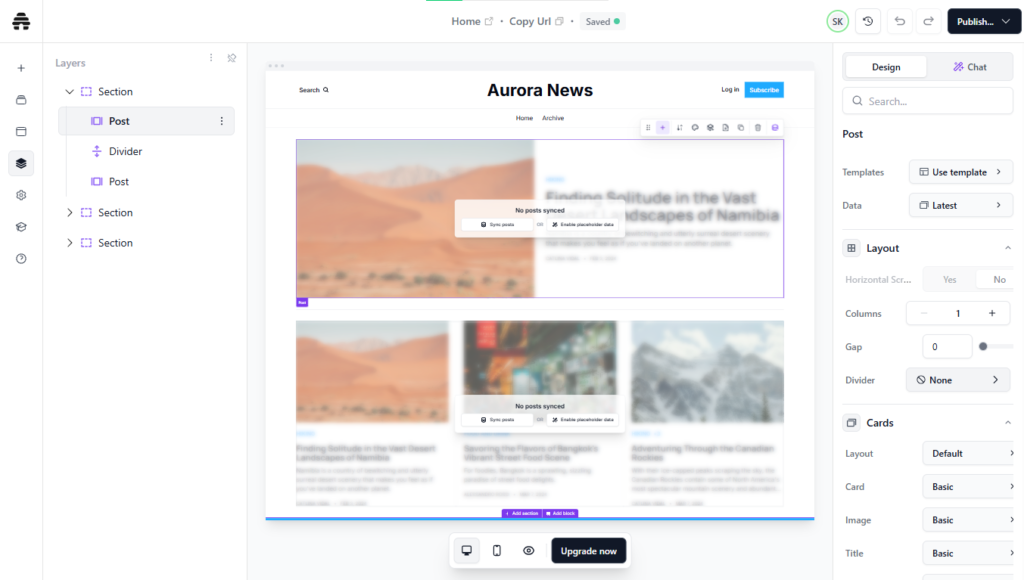
While subscriber management is important, capturing new subscribers is equally critical. The screenshots below show the lead generation tools available in Kit and Beehiiv, including forms, landing pages, and website-building features.
5. Automation & Email Sequences
Automation is arguably the biggest differentiator in the Kit vs Beehiiv comparison.
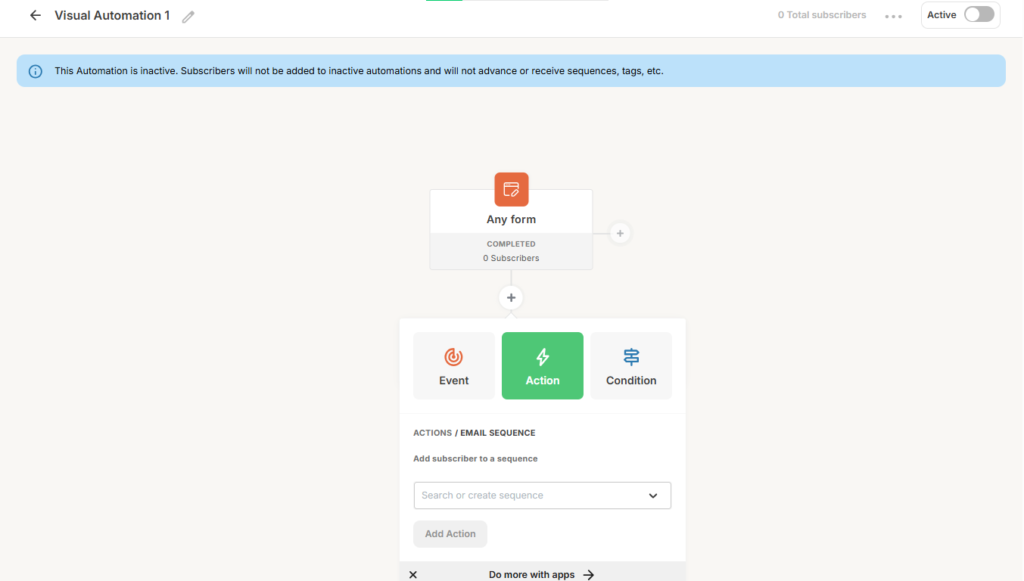
- Kit: Kit’s strongest area is its Visual Automation builder (formerly “ConvertKit Automations”). Kit provides a drag-and-drop flow canvas where you create workflows: triggers (subscriber joins a form, tag is added, a purchase is made) lead to actions (send email, apply tag, add to sequence). Even on the free plan you get 1 basic automation with 1 sequence, and Creator/Pro unlock unlimited automations. You can build complex funnels: e.g., a welcome sequence that adapts if a subscriber clicks a link or buys a product. Kit also has email sequences (drip campaigns) separate from automations, but you mainly build them via Visual Automations. For multi-step campaigns (drip or nurture), Kit is very flexible. It also offers rules and RSS campaigns for more automation. Kit’s automation can manage e-commerce triggers too (e.g., someone buys from Shopify, add tag and send a follow-up). Creators note how intuitive Kit’s visual editor is: “Its visual automation builder is incredibly intuitive, allowing you to set triggers and rules for your email sequences.”. Essentially, if automations are critical to your workflow, Kit has a proven, powerful system.
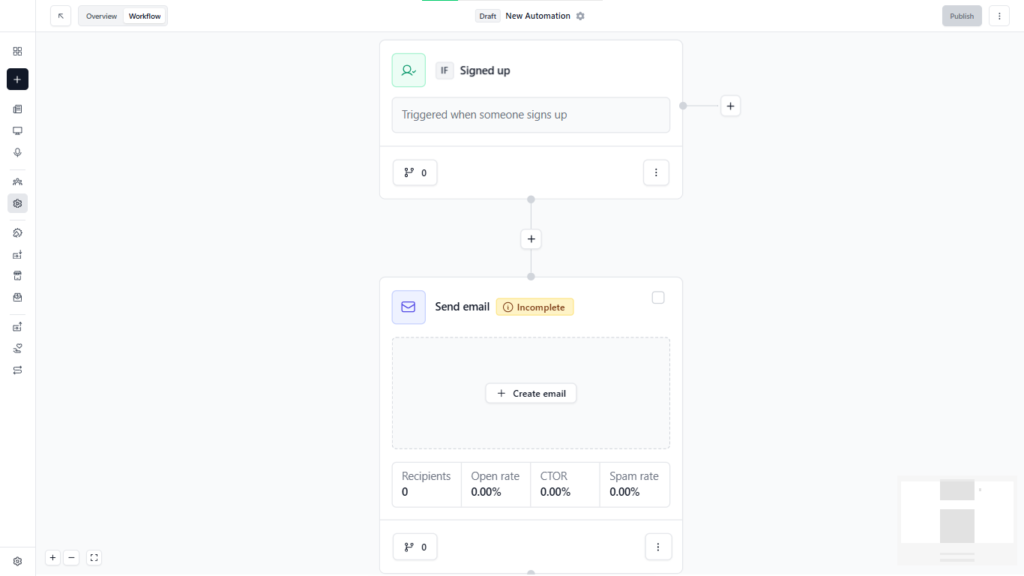
- Beehiiv: Beehiiv’s automation features are improving but currently simpler. Beehiiv calls its feature Email Automations (live in Scale+ plans) for welcome or triggered sequences. You can send a series of emails based on a trigger (like joining a list), but the builder is more limited than Kit’s canvas. There’s no full drag-and-drop flow, but rather preset automation recipes (welcome series, subscriber birthday, or performance-based). Beehiiv also supports Subscriber Polls to segment users and trigger actions. One advantage: Beehiiv’s automations integrate with its referral and monetization system (e.g. automatically enroll newsletter buyers in thank-you flows). Beehiiv also offers Zapier/Webhooks (see Integrations) to trigger actions externally. However, automation in Beehiiv is not as central; it’s more about newsletter sending than complex funnels. Many creators use Beehiiv for the broadcast and growth features, and rely on external tools for heavy automation.
- Comparison: If you need advanced funnels and multi-step workflows, Kit has the edge with its mature visual automations. Beehiiv covers basic series and the upcoming paid newsletter drip. For example, Kit’s Pro offers “welcome sequences and nurture campaigns that run 24/7 while you create”. Beehiiv’s current automation is okay for simple journeys but not as flexible (though it does cover welcome/onboarding flows). Kit lets you branch paths (If-then rules) extensively, whereas Beehiiv is more linear. In summary, Kit wins on automation, while Beehiiv focuses on organic newsletter scheduling and relies more on manual or Zapier-based flows for complex use cases.
- When evaluating automation capabilities, Kit vs Beehiiv is not a particularly close contest because Kit offers more advanced workflow options.
Kit vs Beehiiv Automation Builder Comparison
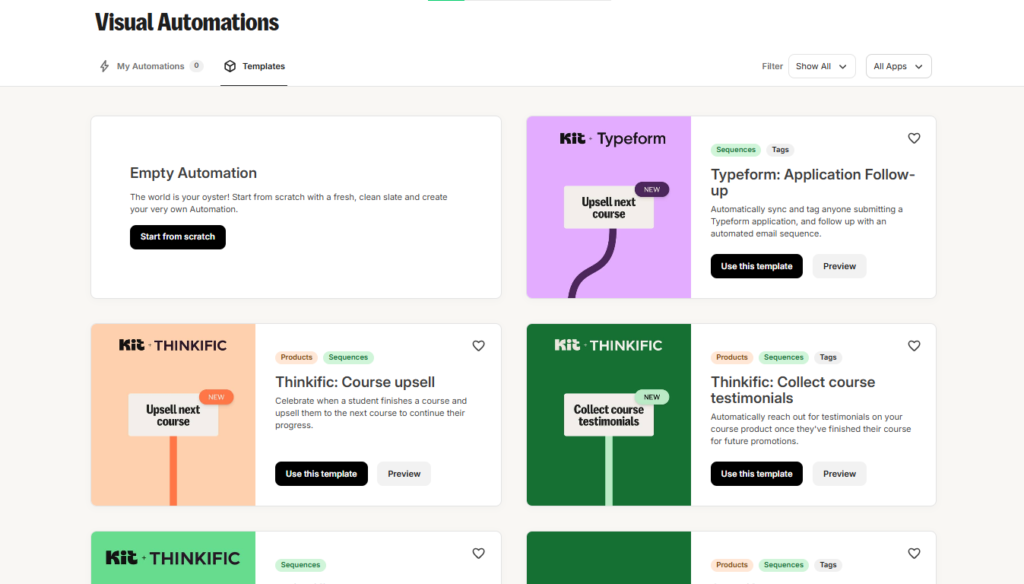
Beyond the visual automation builders, Kit also provides a library of pre-built automation templates that help creators launch common workflows more quickly.
6. Analytics & Reporting
Analytics play a major role in the Kit vs Beehiiv decision-making process.
- Kit: Kit provides basic email analytics on every sent email (“Broadcast”) and sequence. You see open rates, click rates, unsubscribes and link performance. The Broadcast dashboard shows these metrics and lets you drill into each email’s performance. On Creator Pro, you get enhanced analytics: “insights dashboard, deliverability reports, and subscriber engagement scoring”. This includes subscriber activity (who’s active or cold) and deliverability overviews. Kit also has tagging stats (which link tag got subscribed). However, Kit does not have as deep built-in funnel analytics or revenue tracking. You might export data or use its Zapier API. Kit recently rebranded its analytics interface, but feedback is that it remains relatively simple compared to specialized tools.
- Beehiiv: Beehiiv positions itself as having “powerful email analytics” and more granular data. The analytics dashboard covers:
- Subscriber Growth: real-time sign-ups, unsubscribes, net growth.
- Engagement Metrics: open rates, click-through rates, and even read time (how long readers spend on emails).
- Revenue & Monetization: if using the ad network or paid subs, you track ad RPM, subscription revenue, and product sales within the analytics.
- Trends & AI Insights: predictive analytics and comparisons over time.
- Export: you can export detailed reports. Beehiiv’s Post Analytics help dive into each newsletter’s performance (beyond opens/clicks), with charts of reads, shares, and even subscriber location. It also clearly reports metrics for podcasts, referral program growth, and A/B subject line tests. A user quote even highlights that Beehiiv’s analytics are among the “most advanced email analytics tools for newsletters”. In short, Beehiiv provides a more robust, media-focused analytics suite.
- Comparison: Beehiiv’s analytics tool is more comprehensive, especially for measuring revenue or ad performance, making it ideal for a growing newsletter business. Kit’s analytics are solid for email marketing basics, and give creators the fundamentals (open/click, growth), but they lack Beehiiv’s depth in revenue tracking and prediction. If you rely on numbers to refine your strategy, Beehiiv has the advantage. For example, Beehiiv even offers read-time metrics and advanced filtering of data. Kit’s focus is more on general insights and ensuring deliverability.
- Analytics can significantly influence your decision in the Kit vs Beehiiv comparison if data-driven growth is important to you.
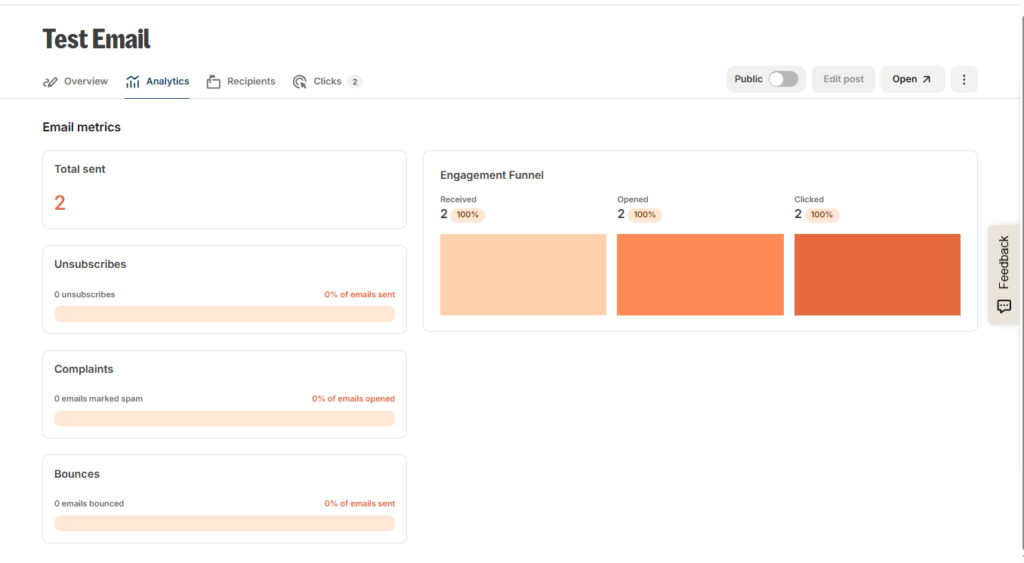
Kit provides a clean and easy-to-understand analytics dashboard that tracks key performance metrics such as email deliveries, opens, clicks, unsubscribes, complaints, and engagement funnels. The interface is designed for creators who want quick insights without navigating complex reports.
The screenshots below highlight Beehiiv’s analytics interface, which is one of its strongest advantages over Kit.
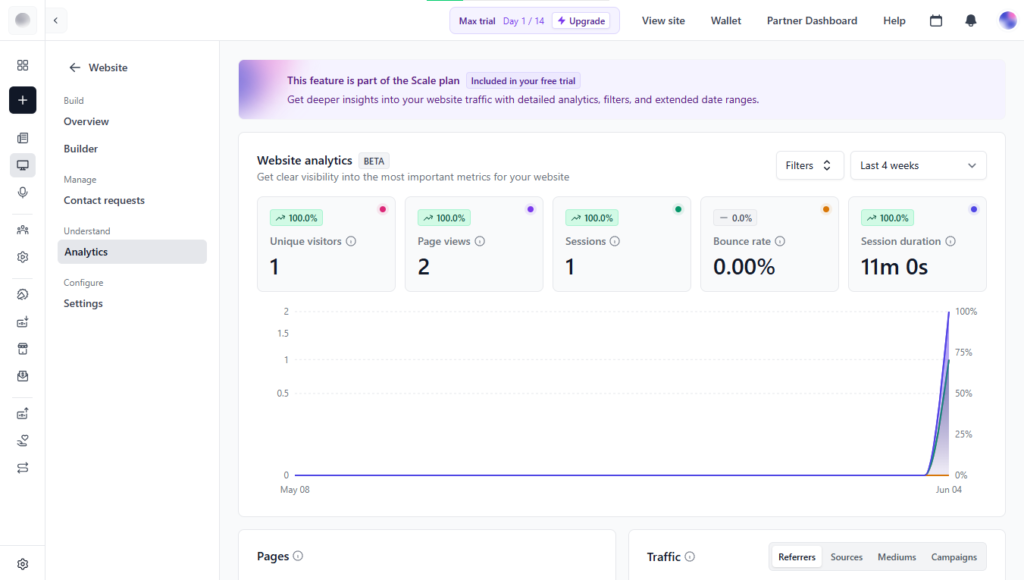
Beehiiv includes dedicated website analytics that allow publishers to track website visitors, page views, session activity, and traffic trends. This gives creators additional visibility into audience behavior beyond email campaigns
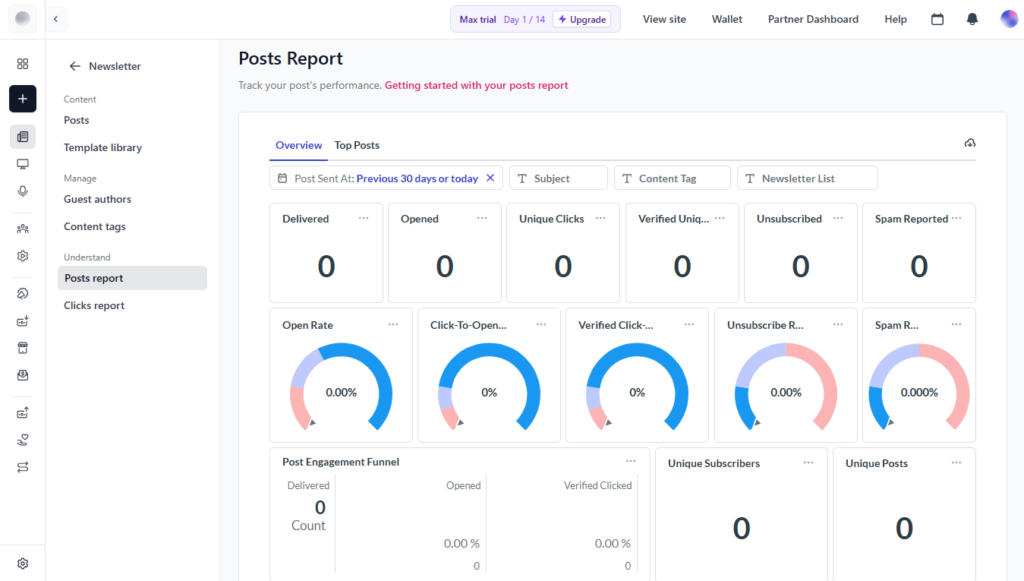
Beehiiv also offers detailed newsletter analytics that measure open rates, click rates, subscriber engagement, and overall campaign performance. The reporting interface provides a deeper breakdown of newsletter results than what many creator-focused email platforms offer.
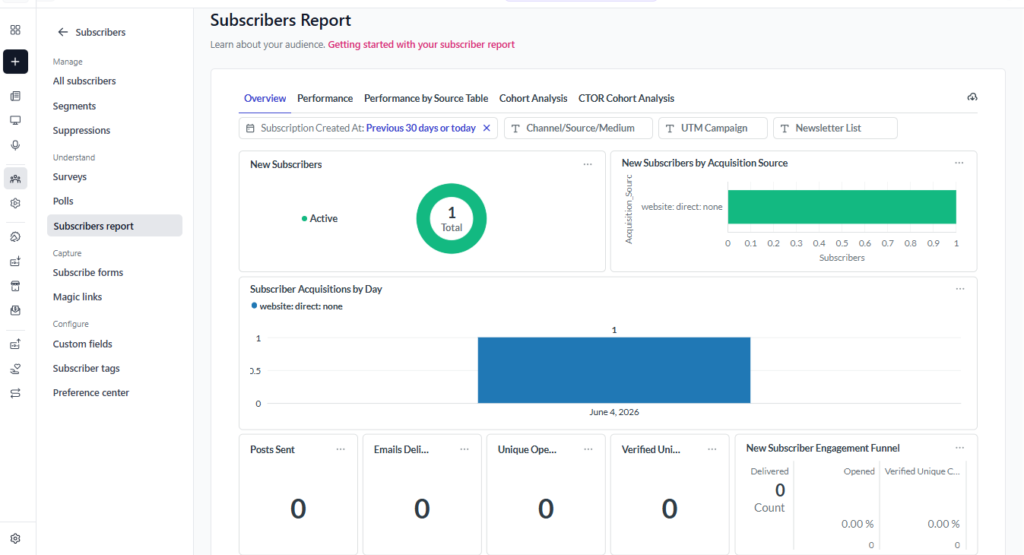
In addition to campaign reporting, Beehiiv includes subscriber-focused analytics that help publishers monitor audience growth, subscriber acquisition, and long-term engagement trends. This is especially useful for newsletter businesses focused on scaling their audience.
7. Monetization Features
Monetization is another area where the differences between both platforms become especially noticeable.
- Kit: Kit has “Earn” features built-in to help creators generate income from their lists.
- Commerce: You can sell digital products (ebooks, courses, etc.) directly through Kit with low transaction fees. Kit Commerce lets you create product pages, accept payments (Stripe/PayPal), and automate fulfillment (email links, webinar access, etc.).
- Paid Newsletters: Kit supports a paid subscription newsletter model. You can create subscription tiers and lock content (RSS-to-email, etc.).
- Sponsorships: Kit offers a Newsletter Sponsorship marketplace (called Sponsy) where brands can bid to sponsor your email or place ads. Kit connects you with sponsors and handles ad insertion.
- Recommendations: Kit’s paid recommendation network lets you earn by promoting other creators. On paid plans, you can slot in other newsletters and get paid for referrals.
- Affiliates: While not native, Kit integrates with affiliate tools like SparkLoop to run referral contests and track signups. Reviewers praise Kit’s monetization: it calls itself a “one place to build” your digital business. The catch is Kit takes a cut on paid subscriptions and some product sales (similar to Substack’s 10% fee on paid subs). Kit’s commerce tools are tightly integrated (no need for a separate store).
- Beehiiv: Beehiiv offers a suite of newsletter-focused monetization tools:
- Paid Subscriptions: Beehiiv allows setting up paid tiers with no platform fees on paid plans (“0% Take Rate on Paid Subscriptions” on Scale+). This means you keep all revenue (unlike some platforms). You can easily upgrade subscribers to paid via Stripe integration.
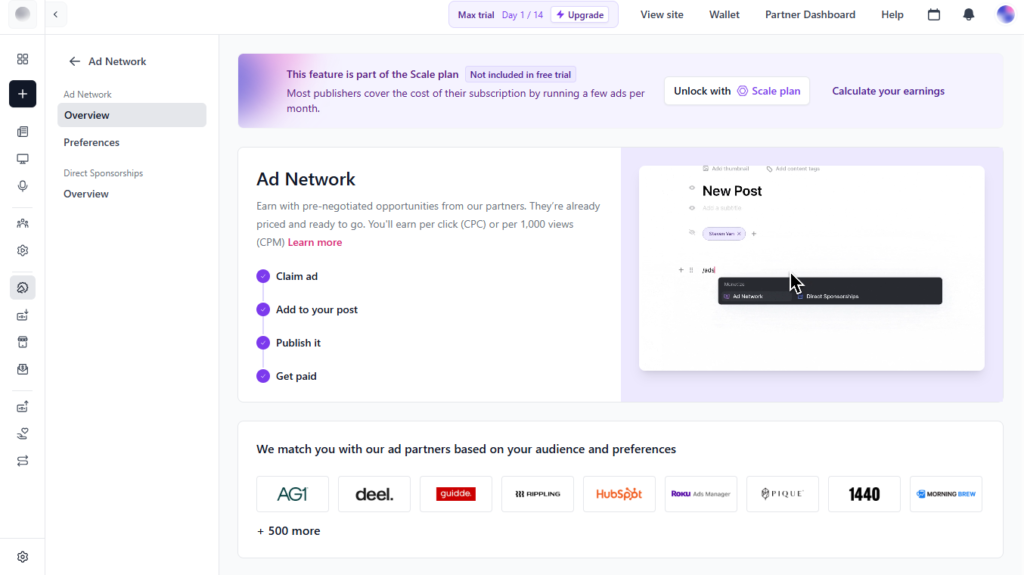
- Ad Network: Beehiiv’s native Ad Network connects newsletters with advertisers. The network handles ad sales and insertion in return for a 15% fee. (On Scale plan it’s 15%; on free 25%, but first 100k subs all pay 15%). This is unique – many newsletters cannot easily run ads, but Beehiiv automates it.
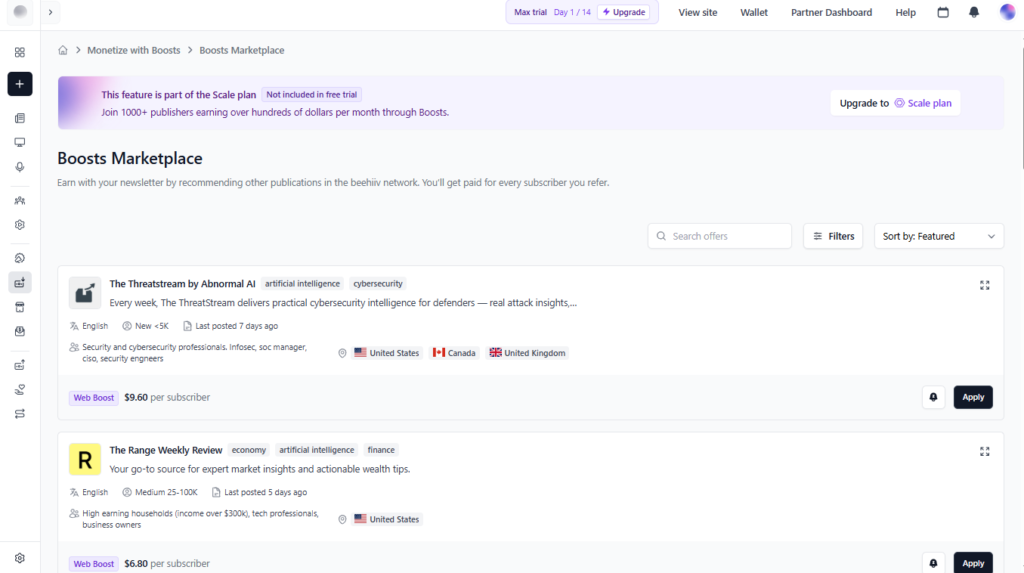
- Boosts: Readers can tip newsletters via the Boost feature. You can ask readers to contribute money directly to the newsletter (like a donation).
- Direct Sponsorships: Beehiiv also supports brand sponsorships outside the network (upload your own ads or sponsored content).
- Digital Products: Beehiiv now supports selling simple digital products (e.g. ticketed webinars or digital downloads) via payments.
- Affiliate and Referral: Beehiiv doesn’t have a built-in affiliate program, but you can track referrals with its own referral tool. Also, Beehiiv pays a commission on its own affiliate program for referring new customers. Key point: Beehiiv focuses on multiple passive income streams (ads, subs, boosts). A quote: “beehiiv is… a place to run a true media business — to monetize your list, grow your list, and analyze your readership”. Most of these features are available on paid plans (Scale+), and there is no extra cut on your paid subs (unlike Substack, ConvertKit, etc.).
- Comparison: Both platforms support paid newsletters and product sales, but Kit shines at creator commerce (courses, memberships) while Beehiiv excels at newsletter monetization. For instance, Kit’s digital products and sponsorship marketplace are robust, but Beehiiv’s ad network and boost are easier ways for a newsletter to earn without product creation. Beehiiv’s 0% fee on paid subs can be a huge win for newsletters (versus Kit’s 0% on newsletter subs but 5% on product sales). In short, if your primary revenue is selling digital goods or leveraging referrals, Kit is great. If you want to monetize the newsletter itself (ads, tips, paid issues), Beehiiv has the edge.
8. Integrations & Ecosystem
Integrations are an important consideration in the Kit vs Beehiiv comparison.
- Kit: Kit offers a robust Kit App Store with 50+ apps and 100+ integrations. You can natively connect services like Shopify, Teachable, WordPress, Zapier, Slack, and more. For example, there are one-click integrations for Shopify (sync customers), Zapier (trigger other apps), and even a Canva embed in the media library. Kit’s API and webhooks allow custom connections. The platform emphasizes a seamless “hub” for creators, including calendar tools (SavvyCal), ecommerce (Shopify, Stripe), community (Circle), and design (Canva). Kit also recently introduced a mobile app for managing emails on the go. Essentially, Kit’s ecosystem is broad: you can tie email marketing into most parts of a creator business.
- Beehiiv: Beehiiv is newer, so it doesn’t have as many native apps, but it integrates widely via Zapier/Webhooks (5,000+ apps). Beehiiv’s Webhooks feature lets you trigger events (new subscriber, email opened, etc.) to Zapier or custom endpoints. This covers e-commerce, analytics, CRM, and more. Beehiiv also has built-in integrations for common tools: You can embed videos (YouTube, Soundcloud), social posts, and login with Stripe for payments. Beehiiv’s direct integrations include WordPress (RSS to Send), ConvertKit (import), and others via Zapier. While it may not have a curated “app store,” Beehiiv’s strong webhooks and API make it flexible. Additionally, Beehiiv’s team ecosystem (Scale plan: 3 seats, Max: unlimited) and Slack community connect you with experts. Beehiiv also offers an API and developer docs (for sending mail or fetching data).
- Comparison: Kit’s integration library is wider out-of-the-box, especially for commerce (Shopify, ecomm carts) and affiliate management. Beehiiv relies more on general automation platforms. Both have Zapier: Kit’s integration count claims 5,000+ via Zapier as well. If you want turnkey integrations (one-click Shopify/WordPress), Kit is ahead. If you use a niche tool, Beehiiv’s Zapier support can probably handle it. Both let you sync subscribers to CRMs (HubSpot, Airtable, etc.) through webhooks or built-in options.
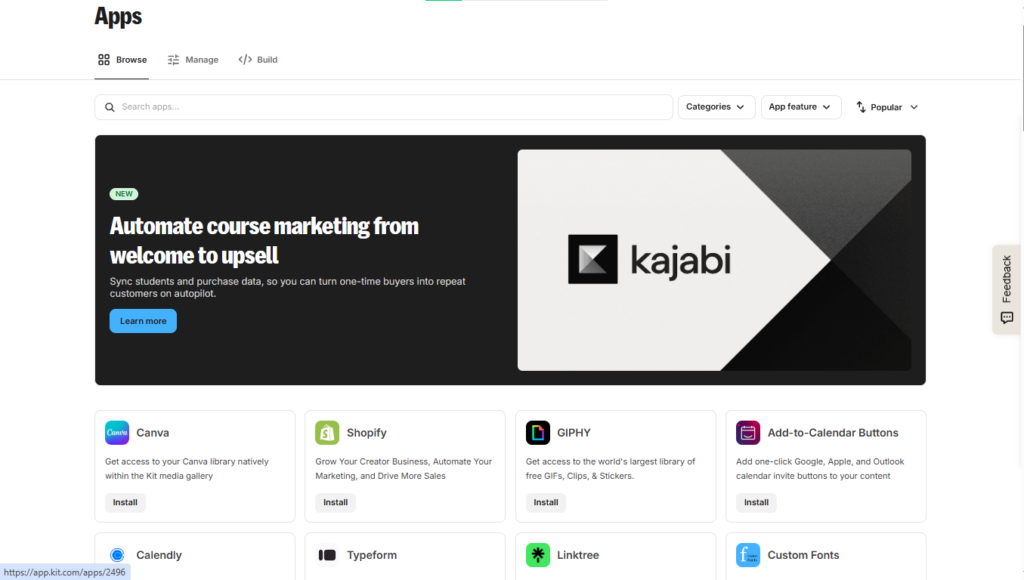
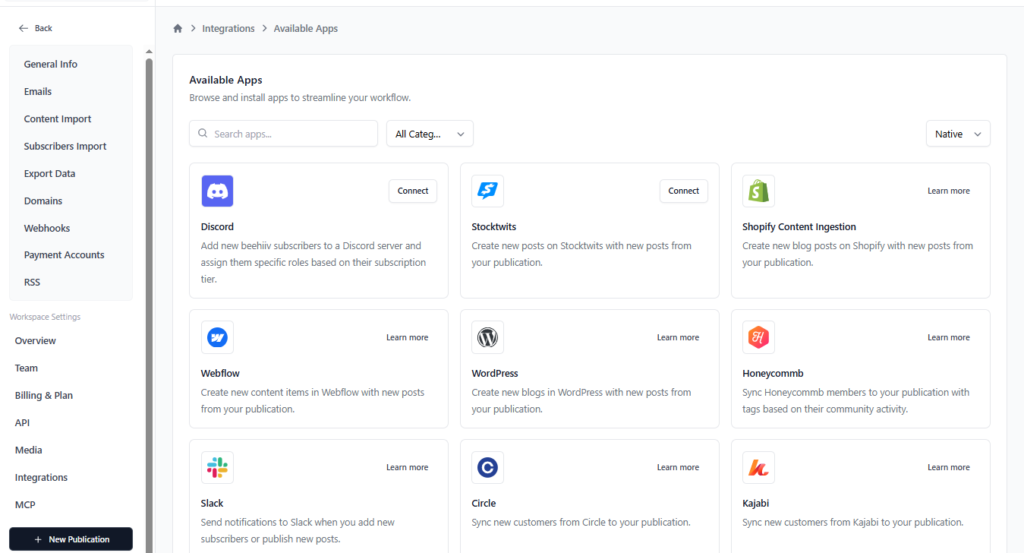
Table: Pricing & Plans
Pricing is one of the biggest differences in the Kit vs Beehiiv comparison. Both platforms offer free plans, but they target different audiences. Kit focuses on creators who want email marketing and automation tools, while Beehiiv is designed primarily for newsletter growth and monetization. As your subscriber count increases, the pricing structure and included features can have a significant impact on long-term costs. The table below compares the major plans offered by both platforms.
| Feature | Kit | Beehiiv |
|---|---|---|
| Free Plan Price | Free | Free |
| Free Subscriber Limit | Up to 10,000 subscribers | Up to 2,500 subscribers |
| Unlimited Emails | Yes | Yes |
| Landing Pages | Included | Included |
| Forms | Included | Included |
| Automation Builder | Available | Available on higher plans |
| A/B Testing | Included in paid plans | Included in paid plans |
| Integrations | 100+ integrations | Fewer native integrations |
| Referral Program | Available on Creator Pro | Included on higher plans |
| Newsletter Monetization | Creator Network | Ad Network + Boost Marketplace |
| Paid Newsletters | Supported | Supported |
| Advanced Analytics | Creator Pro plan | Scale and Max plans |
| Team Members | Creator Pro and above | Max plan and above |
| Starting Paid Plan | $39/month | $43/month |
| Higher Tier Plan | Creator Pro: $79/month | Max: $96/month |
| Enterprise Option | Custom pricing | Custom pricing |
| Best For | Creators who need email marketing and automation | Newsletter publishers focused on growth and monetization |
9. Pricing & Plans
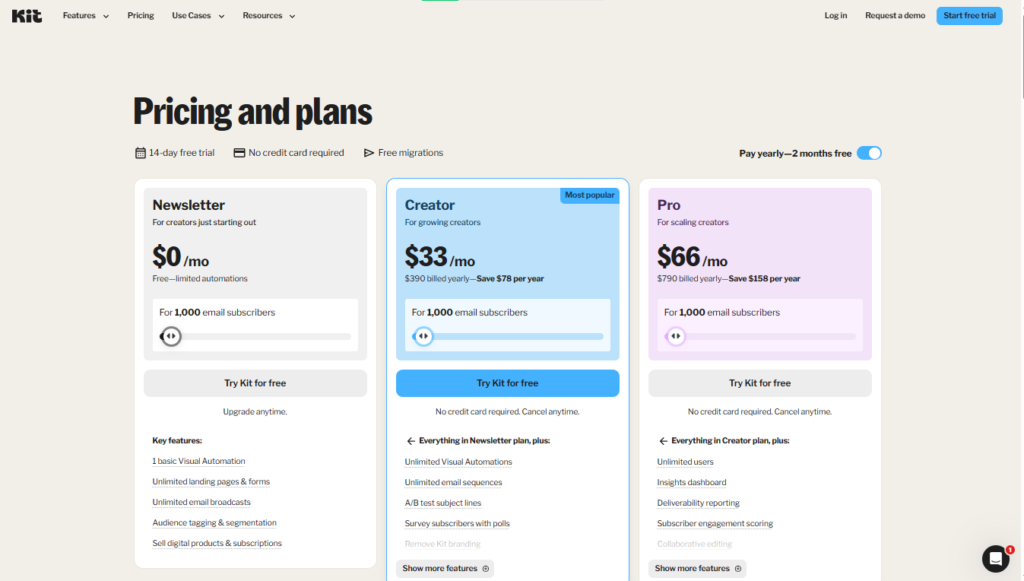
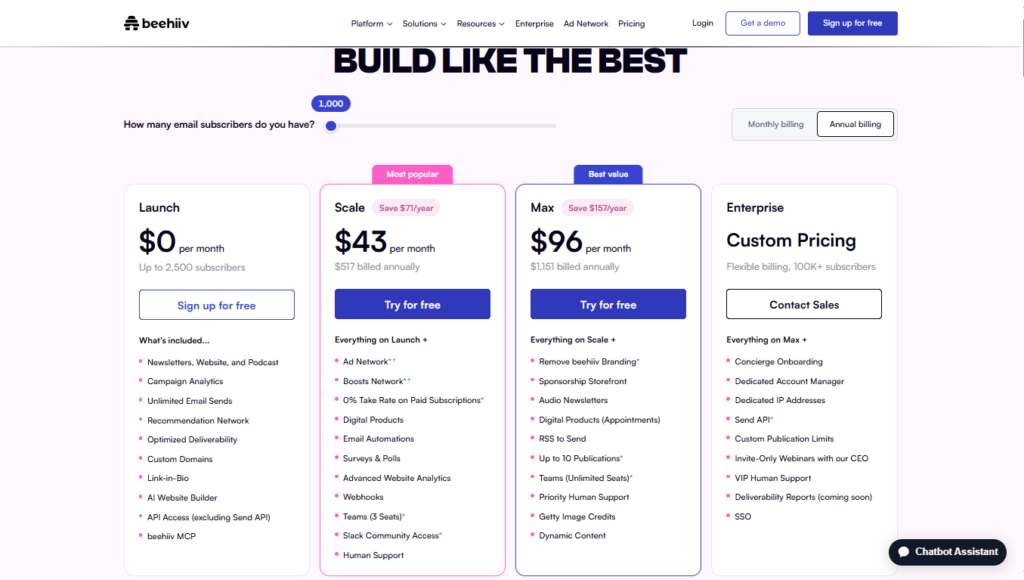
Both platforms have free tiers and paid plans. Here are the highlights (subject to change, always check official sites): Pricing is often the deciding factor for many users researching Kit vs Beehiiv.
Kit Pricing Highlights:
- Free plan supports up to 10,000 subscribers
- Unlimited email sends on the free plan
- Includes forms, landing pages, tagging, and segmentation
- Creator plan starts at $39/month ($33/month annually)
- Creator Pro starts at $79/month ($66/month annually)
- Pricing increases as your subscriber count grows
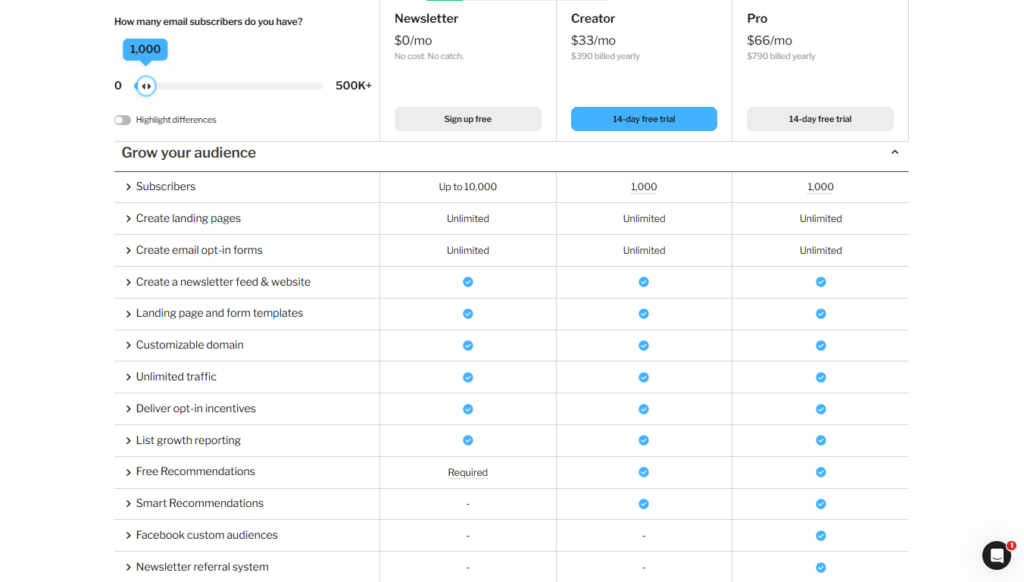
Kit offers one of the most generous free plans in the email marketing industry through its Newsletter Plan, which supports up to 10,000 subscribers at no cost. The free plan includes unlimited email sends, forms, landing pages, audience tagging, segmentation, recommendations, and one basic automation with a single email sequence. For creators who need more advanced automation and growth tools, the Creator Plan unlocks unlimited automations, email sequences, A/B testing, surveys, and advanced audience management. The Creator Pro Plan adds advanced reporting, deliverability insights, unlimited team members, and the Newsletter Referral System. Like most email marketing platforms, pricing increases as your subscriber count grows, making Kit more expensive for larger lists but highly attractive for creators who want a powerful free plan and strong automation features.
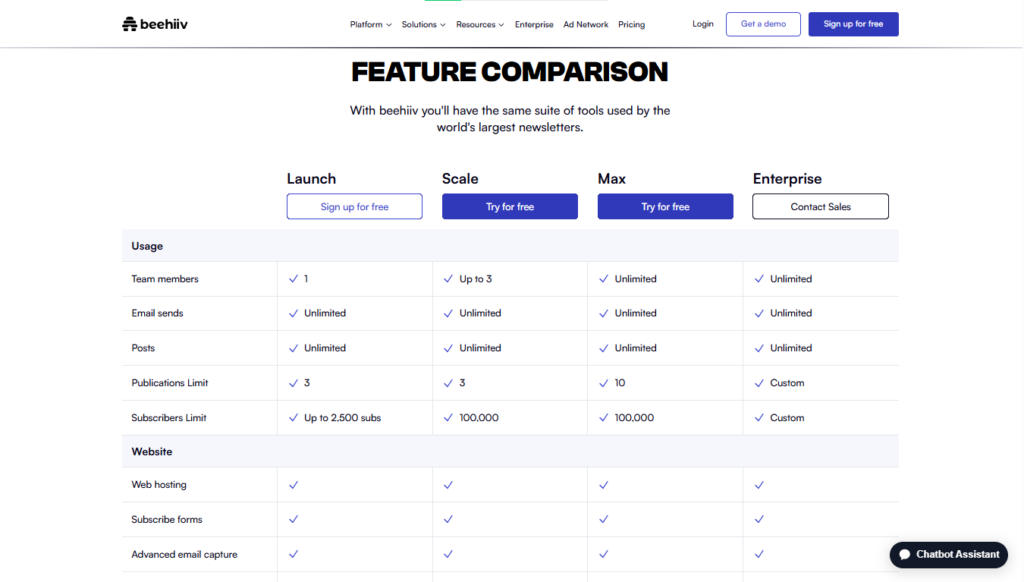
● Beehiiv Pricing: Beehiiv’s free Launch plan covers up to 2,500 subscribers with unlimited email sends. Paid plans begin with Scale at $43/month (billed annually, $517/year). Scale includes unlimited subs (up to ~100k), email automations, full analytics, 0% fee on paid subs, and basic support. The Max plan is $96/month ($1,151/year), adding advanced features like unlimited teams, sponsorship storefront, audio newsletters, and priority support. For the exact subscriber tiers and pricing, see official pages. Both Kit and Beehiiv also offer custom enterprise plans for large publishers with dedicated support.
Pricing Comparison: The two platforms have similar price points for small lists (both start free, then ~$40–$80 for the next tier) but diverge on scaling. For example, Beehiiv allows up to 100k subs for the same price as 1k on Kit. Kit’s paid plans increase with list size, making it more expensive at high volumes. Meanwhile, Beehiiv stays flat until you exceed 100k. Note currency unspecified; these are U.S. dollars in examples. Always verify current prices with official sources.
Kit vs Beehiiv Pricing Comparison
While the screenshots above focus on headline pricing, the images below provide a closer look at the features included in each plan, which can be just as important as the monthly cost.
10. Customer Support
Customer support is often overlooked in the Kit vs Beehiiv comparison, but it can make a significant difference.
- Kit Support: Kit offers 24/7 customer support via email and in-app chat (Pro plan gets priority support). Its knowledge base (Kit University) and blog have extensive tutorials. Support is generally praised: one review notes “Kit’s Customer Success team is available seven days a week… they have a wide range of documentation, tutorials, workshops, and courses”. There’s also a community forum and private Facebook group. Paid plans get faster response; free plan queries answered in 1–3 days.
- Beehiiv Support: Beehiiv provides email support for all users. Scale plan includes Slack community access (“the hiiv”) and live chat/email support; Max adds priority support. There’s an online knowledge base and onboarding guides. Some users have noted waiting lists or delays in the Slack channel. However, Beehiiv’s team is active on updates. Both companies run webinars and help docs.
Comparison: Both platforms prioritize creator success. Kit’s support is a bit more established (with courses), while Beehiiv’s community Slack is a perk. In practice, expect similar levels of support for paying customers; free users get slower but available help.
11. Pros & Cons
No platform is perfect, and the final decision ultimately comes down to your priorities. Kit has built a strong reputation among creators who need advanced email marketing, subscriber segmentation, and automation capabilities. Its tag-based system, visual automation builder, and creator-focused tools make it a powerful choice for running sophisticated email funnels. Beehiiv, on the other hand, focuses heavily on newsletter growth and monetization. Features such as the Boost marketplace, built-in ad network, referral program, and detailed newsletter analytics make it particularly attractive for publishers looking to grow and monetize an audience. The table below summarizes the major strengths and weaknesses of both platforms to help you determine which solution best matches your goals.
Reviewing the strengths and weaknesses of each platform can help simplify the Kit vs Beehiiv decision.
Below is a summarized pros/cons table for quick reference:
| Feature | Kit | Beehiiv |
|---|---|---|
| Ease of Use | Moderate learning curve due to advanced features | Beginner-friendly and easy to navigate |
| Email Editor | Functional but relatively basic | Modern drag-and-drop editor with AI tools |
| Automation | Excellent visual automation builder and sequences | Good automation features but less advanced |
| Subscriber Management | Powerful tag-based segmentation | Simple audience management tools |
| Free Plan | Up to 10,000 subscribers | Up to 2,500 subscribers |
| Monetization | Paid newsletters and digital product sales | Paid newsletters, ad network, and Boost marketplace |
| Referral Program | Creator Network for audience growth | Built-in referral system and growth tools |
| Analytics | Strong reporting and subscriber insights | Detailed newsletter and revenue analytics |
| Integrations | 100+ integrations including Shopify and WordPress | Fewer native integrations |
| Newsletter Design | Focused on simple creator-style emails | Better newsletter design and customization |
| E-commerce Features | Supports digital product sales | No native digital product selling |
| Pricing Value | Strong value for creators needing automation | Strong value for newsletter publishers |
| Main Advantage | Best-in-class automation and segmentation | Best-in-class newsletter growth and monetization |
| Main Drawback | Editor feels basic compared to competitors | Automation and integrations are less powerful |
| Best For | Creators, coaches, bloggers, and course sellers | Newsletter publishers and media-style businesses |
In short, Kit excels at marketing automation and selling products, making it ideal for creators who run courses or digital businesses. Beehiiv excels at newsletter-specific growth and revenue, ideal for media-focused creators who want a sleek editor and built-in monetization.
12. Final Verdict and Conclusion
Kit vs Beehiiv: There is no one-size-fits-all winner; the best choice depends on your goals. If you’re a creator building a diversified business around email (selling courses, products, memberships) with complex funnels, Kit’s integrated automations and commerce make it a powerful hub. Kit’s free plan (up to 10k subs) also lowers entry barriers. On the other hand, if you are primarily focused on publishing a newsletter and want the simplest, most polished experience, Beehiiv is hard to beat. Beehiiv’s editor is more intuitive and its monetization tools (ads, paid subs, tips) let you start earning quickly with minimal setup. Beehiiv’s flat pricing and 0% fees mean you keep more revenue, especially at scale.
After comparing every major feature, the right choice becomes much clearer based on your specific goals.
Key Takeaway:
- Choose Kit if you need advanced funnels and commerce. E.g. coaches selling a course series, authors with multiple email sequences, or creators wanting CRM-like features (tags, triggers).
- Choose Beehiiv if you want the easiest path to launch and grow a newsletter. E.g. writers, journalists, or solopreneurs wanting to monetize content quickly with paid subscribers and sponsorships.
- For most creators, the right choice depends on whether automation or newsletter monetization is the higher priority.
Ultimately, “Kit vs Beehiiv” is a choice between automation/business-building vs newsletter-publishing simplicity. Many creators even use both: some use Beehiiv for their main newsletter and Kit for product sales. Evaluate your priorities – if drip campaigns and selling products matter, lean Kit; if ease of publishing and revenue share matter, lean Beehiiv.